What are probiotic foods: 12 proven essentials
What are probiotic foods ? They are fermented foods that contain live bacteria beneficial to your gut health.
Which probiotic foods are the most studied? Science has identified more than 12, including yogurt, kefir, and kimchi. A review published in Nutrients (2022) lists more than 500 studies on their effects on the gut microbiota.
These foods improve digestion, boost immunity, and reduce inflammation. Here are the most documented benefits:
- Improved digestion: live bacteria balance the intestinal flora.
- Enhanced immunity: 70% of the immune system resides in the gut.
- Reduced inflammation: Lactobacillus strains decrease inflammatory markers.
- Stabilized mood: the gut-brain axis is directly influenced by the microbiota.
- Optimized nutrient absorption: fermentation increases the bioavailability of vitamins.
What are probiotic foods: definition and mechanism
A probiotic food contains live, active microorganisms. These bacteria reach the intestine alive and exert a beneficial effect there.
The World Health Organization defines probiotics as "live microorganisms which, when administered in adequate amounts, confer a health benefit on the host." This definition dates from 2001 and remains the global standard.
Fermentation is the key process. Bacteria transform sugars into lactic acid. This process creates an acidic environment that preserves food and multiplies beneficial bacteria.
- Lactic fermentation: yogurt, kefir, sauerkraut, kimchi, miso.
- Acetic fermentation: kombucha, unfiltered cider vinegar.
- Fermentation by molds: tempeh, some mature cheeses.
What are probiotic foods: the role of the microbiota
Your gut is home to 38 trillion bacteria. This number exceeds the number of human cells in your body.
An imbalanced gut microbiota is linked to obesity, type 2 diabetes, and inflammatory diseases. A study published in Nature Medicine (2021) shows that diet alters the composition of the microbiota within 48 hours.
Probiotic foods introduce beneficial strains of bacteria. They also nourish the bacteria already present thanks to the fermentable fibers they often contain. To further enhance this effect, a gut microbiota supplement can reinforce it.
- strains Lactobacillus : present in yogurt, kefir, sauerkraut.
- strains Bifidobacterium : present in fortified yogurt, kefir.
- strains Saccharomyces : present in kombucha, fruit kefir.
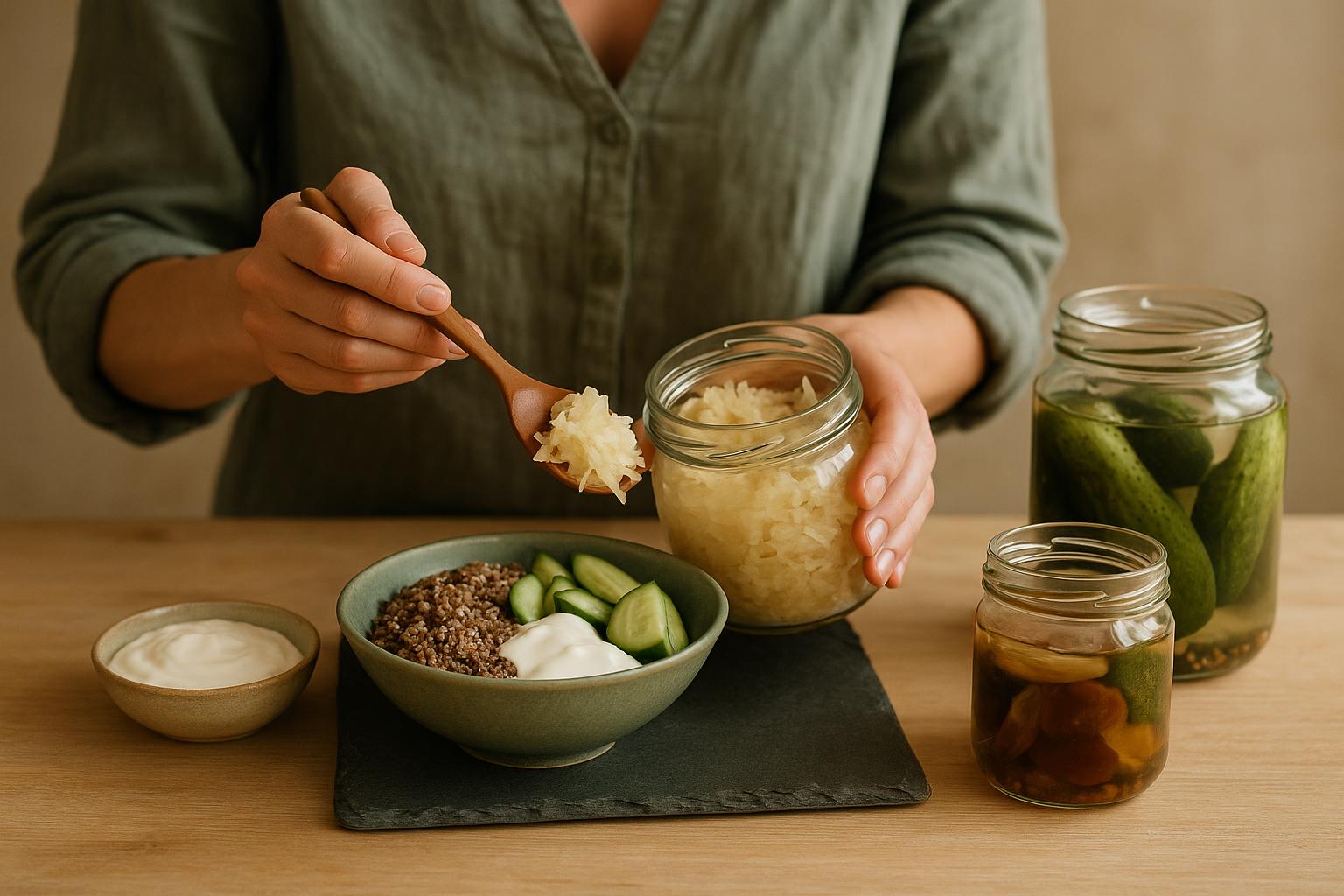
Which probiotic foods are richest in live bacteria?
Not all fermented foods are probiotic. Pasteurization kills bacteria. Only unpasteurized foods or foods fermented after heat treatment contain live strains.
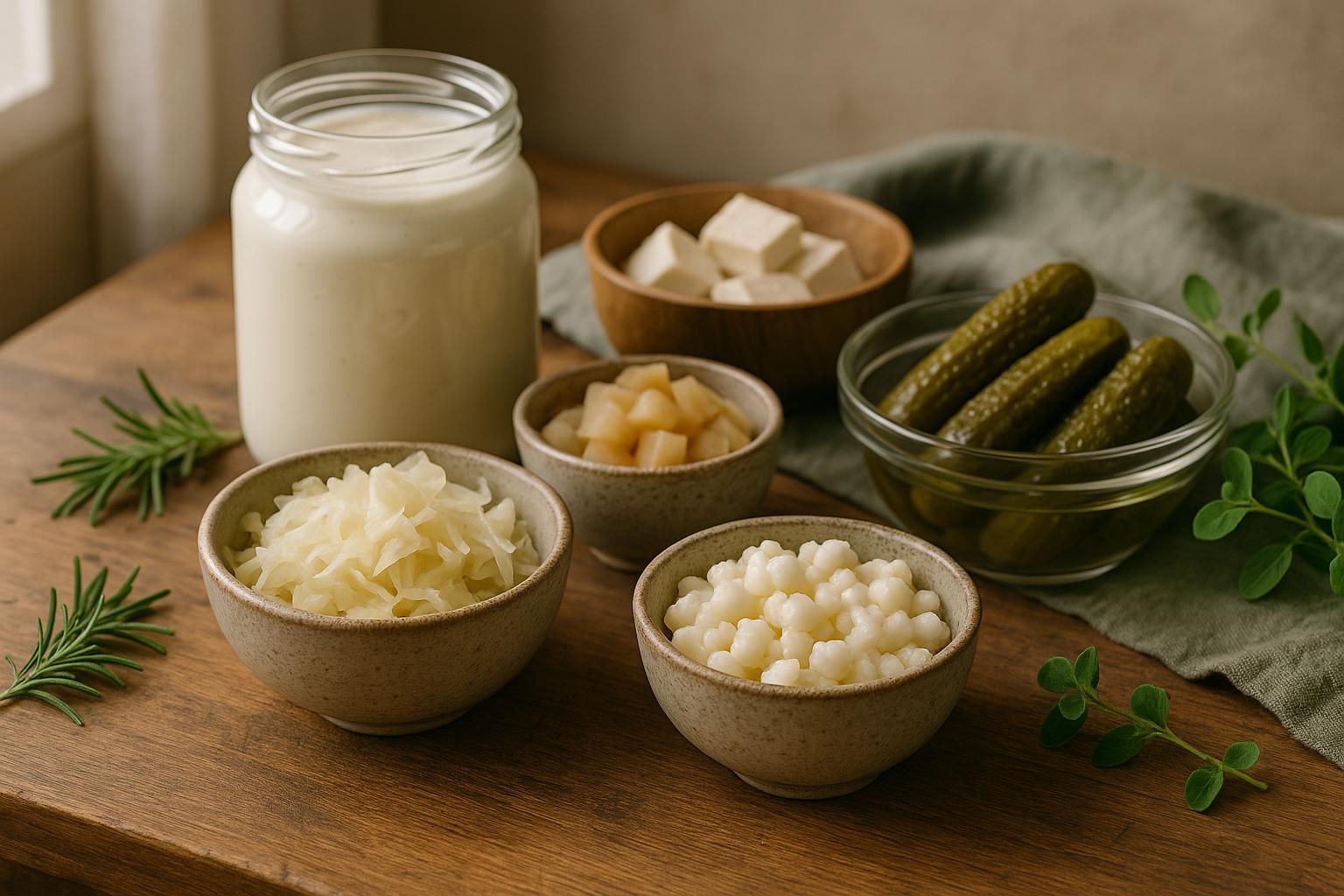
Here are the 12 best-documented probiotic foods:
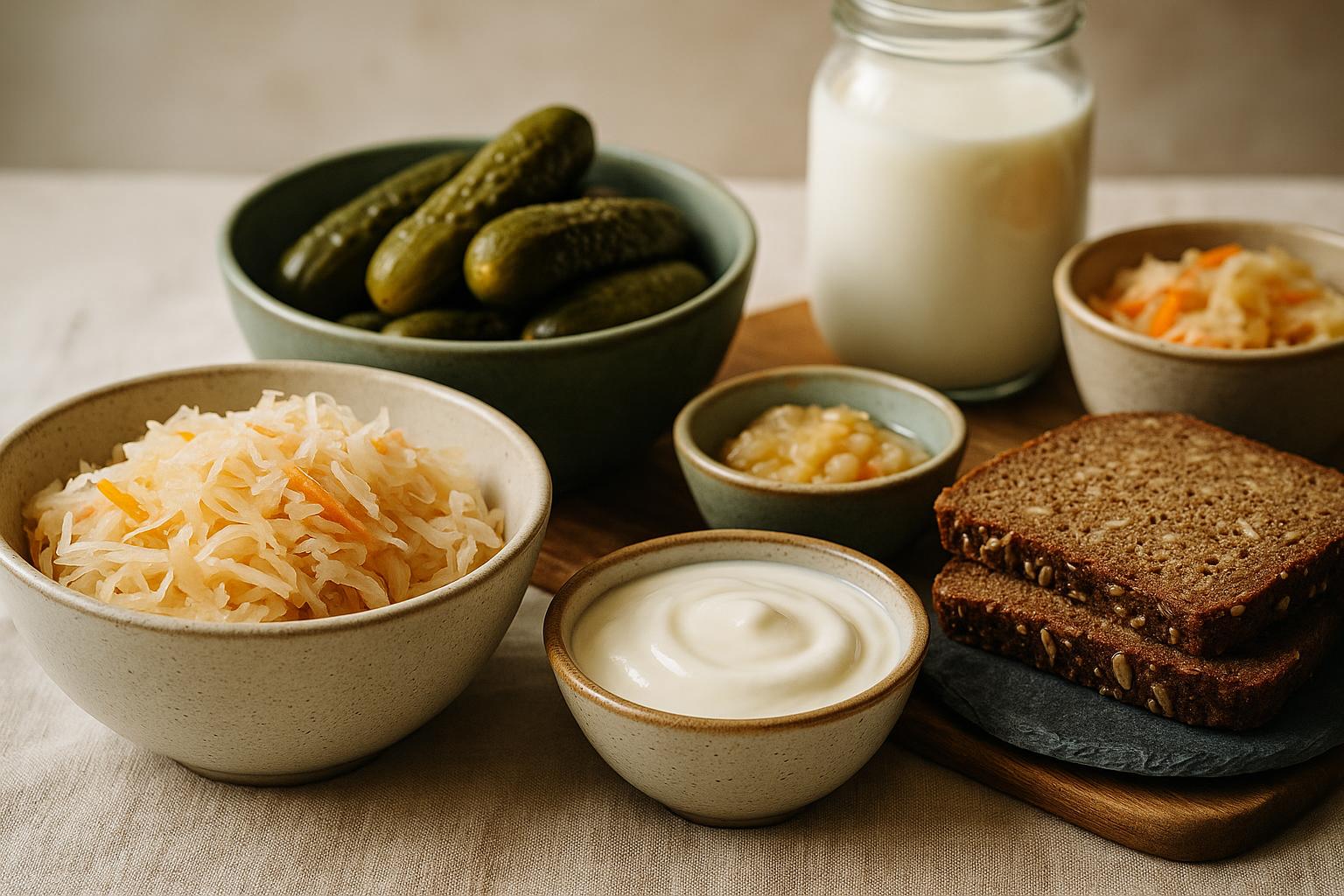
- Plain yogurt: source of Lactobacillus bulgaricus and Streptococcus thermophilus.
- Milk kefir: contains 30 to 56 different strains according to a study by Frontiers in Microbiology (2020).
- Raw sauerkraut: rich in Leuconostoc mesenteroides and Lactobacillus plantarum.
- Kimchi: Korean fermented food containing up to 10⁸CFU per gram.
- Miso: Japanese fermented soybean paste, a source of Aspergillus oryzae.
- Tempeh: Indonesian fermented soybean, rich in Rhizopus oligosporus.
- Kombucha: fermented tea containing Acetobacter and yeasts.
- Fruit kefir : a fermented drink made from sweetened water, without lactose.
- Lacto-fermented gherkins: fermented in brine, without vinegar.
- Natto: Japanese fermented soy, source of Bacillus subtilis.
- Mature cheeses: gouda, gruyere, parmesan retain living strains.
- Lassi: an Indian drink made from diluted fermented yogurt.
Yogurt and kefir: the most accessible probiotic foods
Yogurt is the most consumed probiotic food in Europe. A 125g pot provides between 10⁸and 10⁹CFU (colony forming units).
Kefir surpasses yogurt in strain diversity. A study published in Nutrients (2021) shows that kefir improves lactose tolerance in 82% of lactose-intolerant individuals.
Always choose a yogurt labeled "live active cultures". Yogurts that are pasteurized after fermentation no longer contain live bacteria.
- Plain yogurt: 10⁸-10⁹CFU per pot, easy to find, inexpensive.
- Greek yogurt: same probiotic content, richer in protein.
- Milk kefir: 1010-1012 CFU per glass, superior strain diversity.
- Fruit kefir: lactose-free, suitable for those with intolerances and vegans.
Sauerkraut and kimchi: fermented plant-based probiotic foods
Raw sauerkraut is one of the oldest known probiotic foods. Its fermentation produces natural lactic acid without the addition of vinegar. It is among lacto-fermented vegetables for gut health.
Note: Pasteurized sauerkraut sold in cans no longer contains live bacteria. Choose raw sauerkraut from the refrigerated section or in an unpasteurized jar.
Kimchi is a fermented Korean dish made from napa cabbage and chili peppers. A Korean study published in the Journal of Medicinal Food (2022) shows that it reduces inflammation markers by 18% in 4 weeks.
- Raw sauerkraut: rich in vitamin C and Lactobacillus, 10⁷-10⁸CFU /g.
- Kimchi: contains chili, garlic and ginger with anti-inflammatory effects.
- Beetroot kvass: a lesser-known but effective Slavic fermented drink.
Miso, tempeh and natto: Asian probiotic foods
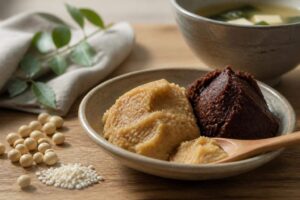
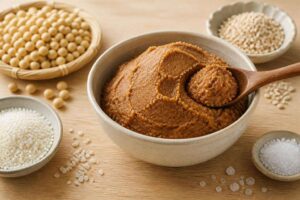
Miso is a fermented soybean paste used in Japanese cuisine. A tablespoon provides billions of beneficial bacteria and fungi.
Never boil miso. Heat above 70°C destroys the living microorganisms. Always add it at the end of cooking in a warm soup.
Natto is the most potent fermented Japanese product. It contains nattokinase, an enzyme that improves blood circulation. Its very strong flavor limits its adoption in Europe.
- White miso (shiro): short fermentation, mild taste, ideal for beginners.
- Red miso (aka): long fermentation, richer in probiotics.
- Tempeh: fermented soy block, source of complete proteins and probiotics.
- Natto: very rich in vitamin K2, beneficial for bones and the heart.
Kombucha and fruit kefir: probiotic foods to drink
Kombucha is a tea fermented by a SCOBY (Symbiotic Culture of Bacteria and Yeast). It contains organic acids, B vitamins, and live bacteria.
Kombucha contains between 10 and 25 mg of caffeine per 240 ml glass. It also contains between 0.5% and 3% alcohol, depending on the fermentation time. This information is important for pregnant women and children.
Fruit kefir is made with kefir grains in sweetened water. It is lactose-free and suitable for vegans. Its probiotic content is comparable to that of milk kefir.
- Kombucha: 10⁶-10⁸CFU /ml, contains caffeine and organic acids.
- Fruit kefir: 10⁹-10¹¹CFU /ml, lactose and caffeine free.
- Bread kvass: a fermented drink from Eastern Europe, less common in France.
Comparative table of natural probiotic foods
| Probiotic food | UFC per serving | Main strains | Suitable for vegans | Lactose-free |
|---|---|---|---|---|
| Plain yogurt (125 g) | 108-109 | L. bulgaricus, S. thermophilus | No | No |
| Milk kefir (240 ml) | 1010-1012 | 30-56 mixed strains | No | Partial |
| Fruit kefir (240 ml) | 109-1011 | Lactobacillus, Saccharomyces | Yes | Yes |
| Raw sauerkraut (100 g) | 107-108 | L. plantarum, L. mesenteroides | Yes | Yes |
| Kimchi (100 g) | 107-108 | L. kimchii, L. plantarum | Check | Yes |
| Miso (1 tbsp) | 106-107 | Aspergillus oryzae | Yes | Yes |
| Tempeh (100 g) | 105-106 | Rhizopus oligosporus | Yes | Yes |
| Kombucha (240 ml) | 106-108 | Acetobacter, Gluconobacter | Yes | Yes |
| Natto (100 g) | 108-109 | Bacillus subtilis | Yes | Yes |
| Mature cheese (30 g) | 105-107 | Variable depending on the refining process | No | Weak |
What are the beneficial probiotic foods for digestion?
Digestive disorders affect 40% of adults worldwide. Probiotic foods improve digestionand reduce bloating, constipation, and diarrhea.
A meta-analysis in Gastroenterology (2023) covering 82 clinical trials confirms that probiotics reduce the duration of infectious diarrhea by an average of 25 hours.
Irritable bowel syndrome (IBS) affects 10 to 15% of the world's population. Lactobacillus rhamnosus and Bifidobacterium longum reduce abdominal pain in 60% of patients, according to a study published in The Lancet (2021).
- Constipation: kefir and yogurt enriched with Bifidobacterium are the most effective.
- Bloating: Raw sauerkraut and kimchi improve digestion in 2 weeks.
- Traveler's diarrhea: kombucha and kefir reduce the risk by 30%.
- Irritable bowel syndrome: miso and tempeh provide fiber and probiotics.
What are the probiotic foods during pregnancy?
Pregnancy alters the gut microbiota. Dietary probiotics are generally safe for healthy pregnant women.
ANSES recommends avoiding raw milk cheeses during pregnancy. Choose pasteurized yogurts with live cultures added after pasteurization.
Kombucha contains alcohol (0.5 to 3%). It is not recommended during pregnancy. Alcohol-free fruit kefir is a safe alternative and rich in probiotics.
- Recommended: pasteurized yogurt, pasteurized milk kefir, cooked miso.
- To avoid: kombucha (alcohol), raw milk cheeses, unpasteurized sauerkraut in large quantities.
- To check: probiotic supplements — ask your doctor for advice.
What are the probiotic foods for children and the elderly?
Children benefit from probiotic foods from weaning onwards. Plain yogurt is the most suitable probiotic food from 6 months of age.
A pediatric study published in Pediatrics (2022) shows that children who consume yogurt daily have 18% fewer respiratory infections.
In older adults, the gut microbiota naturally becomes depleted. Kefir improves microbial diversity and reduces chronic constipation in people over 65, according to a study by Gut Microbes (2021).
- Children (6 months-3 years): plain yogurt, mild aged cheese.
- Children (3-12 years): yogurt, fruit kefir, lacto-fermented pickles.
- Adolescents: all probiotic foods, kombucha in moderation.
- Elderly people: kefir, yogurt enriched with Bifidobacterium, miso in soup.
How to consume probiotic foods on a daily basis
Consistency is more important than quantity. Consuming one probiotic food per day is more effective than consuming them several times a week irregularly.
Heat destroys live bacteria. Never heat probiotic foods above 70°C. Miso should be added off the heat. Sauerkraut is eaten raw or warm.
Combine probiotic foods with prebiotic foods. Prebiotics (garlic, onion, banana, oats) feed beneficial bacteria. This combination is called the "symbiotic effect".
- Morning: plain yogurt or kefir with fresh fruit and chia seeds.
- Lunch: salad with raw sauerkraut or kimchi as a condiment.
- Afternoon: kombucha or fruit kefir as a drink.
- Evening: warm miso soup or stir-fried tempeh as a side dish.
Probiotic foods vs. probiotic supplements: what science says
Probiotic foods contain a variety of strains in a complex food matrix. Supplements offer isolated strains at high concentrations.
A study published in Cell (2021) compared 36 subjects consuming fermented foods versus high-fiber foods. The fermented group increased microbial diversity by 19% over 10 weeks.
Probiotic foods are preferable for prevention and for maintaining a probiotic-rich gut flora. Supplements are useful after a course of antibiotics or for specific medical conditions.
- Probiotic foods: diversity of strains, associated fibers, low cost, lasting effects.
- Probiotic supplements: high concentration, targeted strains, useful in case of pathology.
- Verdict: food first, supplements as reinforcement if necessary.
- What are the basic probiotic foods: plain yogurt, kefir, raw sauerkraut and kimchi are the most accessible and best studied.
- Which are the richest probiotic foods: milk kefir dominates with 1010-1012 CFU per glass, or 10 times more than yogurt.
- Which probiotic foods should be avoided when heated: never exceed 70°C to preserve the live bacteria in miso, sauerkraut and kimchi.
- Which probiotic foods are suitable for pregnancy? Pasteurized yogurt and pasteurized milk kefir are safe; kombucha is not recommended due to its alcohol content.
- What probiotic foods should you consume every day? A daily portion is enough to maintain a balanced microbiota and improve your digestion.
Frequently asked questions about which foods are probiotic
What are the most common probiotic foods?
The most common probiotic foods are plain yogurt, milk kefir, raw sauerkraut, kimchi, miso, tempeh, kombucha, and lacto-fermented pickles. These fermented foods contain live bacteria that are beneficial to the gut microbiota. Yogurt remains the most accessible and least expensive option.
What is the difference between a probiotic food and a prebiotic food?
A probiotic food contains beneficial live microorganisms (yogurt, kefir). A prebiotic food contains fiber that feeds these bacteria (garlic, onion, banana, oats). The two are complementary. Combining probiotics and prebiotics in the same meal creates an optimal symbiotic effect for your gut microbiota.
How many probiotic foods should you eat per day?
A daily serving of a probiotic food is sufficient to maintain a balanced gut microbiota. Consistency is more important than quantity. A yogurt in the morning or a glass of kefir in the evening provides enough live bacteria. The effects are generally felt after 2 to 4 weeks of regular consumption.
Are probiotic foods effective for weight loss?
Probiotic foods don't directly cause weight loss. They improve the gut microbiota, which influences metabolism and weight management. A 2021 meta-analysis shows a modest reduction in waist circumference (-0.5 cm on average) with regular consumption of kefir and yogurt over 12 weeks.
Is it safe to eat probiotic foods every day?
Yes, daily consumption of probiotic foods is recommended and safe for healthy adults. Immunocompromised individuals should consult their doctor before increasing their intake. A gradual introduction is advised to avoid temporary bloating related to the gut microbiota's adaptation.
What are some lactose-free probiotic foods?
Lactose-free probiotic foods include fruit kefir, raw sauerkraut, kimchi, miso, tempeh, natto, kombucha, and lacto-fermented pickles. Milk kefir is partially digested by its own bacteria, making it tolerable for 82% of lactose-intolerant individuals, according to a 2021 study.
Are probiotic foods good for the immune system?
Yes. Approximately 70% of the immune system resides in the gut. Probiotic foods strengthen the intestinal barrier and stimulate antibody production. A study published in Nutrients (2022) shows that regular consumption of yogurt and kefir reduces the frequency of respiratory infections by 12% in adults.
What probiotic foods are recommended after a course of antibiotics?
After a course of antibiotics, kefir and yogurt enriched with Lactobacillus rhamnosus are highly recommended. Start consuming them two hours after taking the antibiotics to prevent the medication from destroying the bacteria. Continue for two weeks after completing the course of treatment to fully restore your gut microbiota.
Is kombucha an effective probiotic food?
Kombucha contains live bacteria and beneficial yeasts. Its probiotic content varies depending on the brand and fermentation time. It also contains 10 to 25 mg of caffeine and 0.5 to 3% alcohol. It is not recommended for pregnant women or children. For healthy adults, one glass a day is beneficial.
What are some probiotic foods for children?
Plain yogurt is the most suitable probiotic food for children from 6 months old. Fruit kefir is suitable from 12 months. Lacto-fermented pickles and mild aged cheese are appropriate from 3 years old. Avoid kombucha for children due to its alcohol and caffeine content. A 2022 study showed 18% fewer infections in children who consumed yogurt daily.
Is canned sauerkraut a probiotic food?
No. Canned sauerkraut is pasteurized, which destroys all live bacteria. To benefit from its probiotic effects, choose raw sauerkraut sold in the refrigerated section or in unpasteurized glass jars. Check the label: it should say "raw" or "unpasteurized" and contain only cabbage and salt.
Which probiotic foods should be avoided if you have health problems?
People with weakened immune systems, those undergoing chemotherapy, or those suffering from chronic inflammatory bowel disease should consult their doctor before changing their probiotic diet. Miso is high in sodium and is not recommended for people with high blood pressure. Kombucha is not recommended for pregnant women, those with yeast allergies, or those with caffeine sensitivity.
Key takeaways
What probiotic foods should you incorporate today? Plain yogurt, kefir, and raw sauerkraut are your best options: accessible, affordable, and validated by hundreds of scientific studies.
Which probiotic foods make a difference? The ones you eat every day. Consistency is key: one serving a day is enough to improve your gut microbiota in 2 to 4 weeks.
Concrete action: add a plain yogurt or a glass of kefir to your breakfast starting tomorrow morning. It's the simplest and most effective change for your gut health.
Sources and studies
- Wastyk HC et al. — Gut-microbiota-targeted diets modulate human immune status. Cell, 2021.
- World Health Organization — Definition of probiotics and food safety, 2001.
- Harvard Health Publishing — The growing role of probiotics, updated 2023.
- ANSES — Probiotics: assessment of benefits and risks for human health.
- Dimidi E et al. — Fermented foods: definitions and characteristics, impact on the gut microbiota. Nutrients, 2022.
This article is provided for informational purposes only and does not constitute medical advice. Consult a qualified healthcare professional before use.