Probiotic food supplement: reviews and buying guide
⚠️ Medical advice: The information in this article is provided for educational purposes only. It is not a substitute for the advice of a doctor or qualified healthcare professional. Consult your doctor before starting any supplementation, especially if you are pregnant, breastfeeding, immunocompromised, or taking medication.
A probiotic food supplement is a product containing live microorganisms which, when administered in sufficient quantities, confer a health benefit on the host — this is the official definition of theWorld Health Organization. According to a review published on PubMed, more than 40% of European adults have consumed a probiotic food supplement at least once in their lives.
- Improved intestinal transit and reduced bloating
- Strengthening the immune system via the microbiota
- Reduction of symptoms of irritable bowel syndrome
- Support after antibiotic therapy to restore the gut flora
- Positive effects on mood via the gut-brain axis
1. What exactly is a probiotic food supplement?
A probiotic dietary supplement contains live bacteria or yeasts selected for their ability to survive until they reach the intestines. These microorganisms temporarily colonize the colon and interact with your native microbiota. They do not replace your permanent gut flora, but they actively support it.
The difference with a fermented food is the concentration. A typical yogurt contains approximately 10 million CFU (colony-forming units) per gram. A good probiotic supplement provides between 1 and 100 billion per capsule. This high concentration is what allows for a clinically measurable effect.
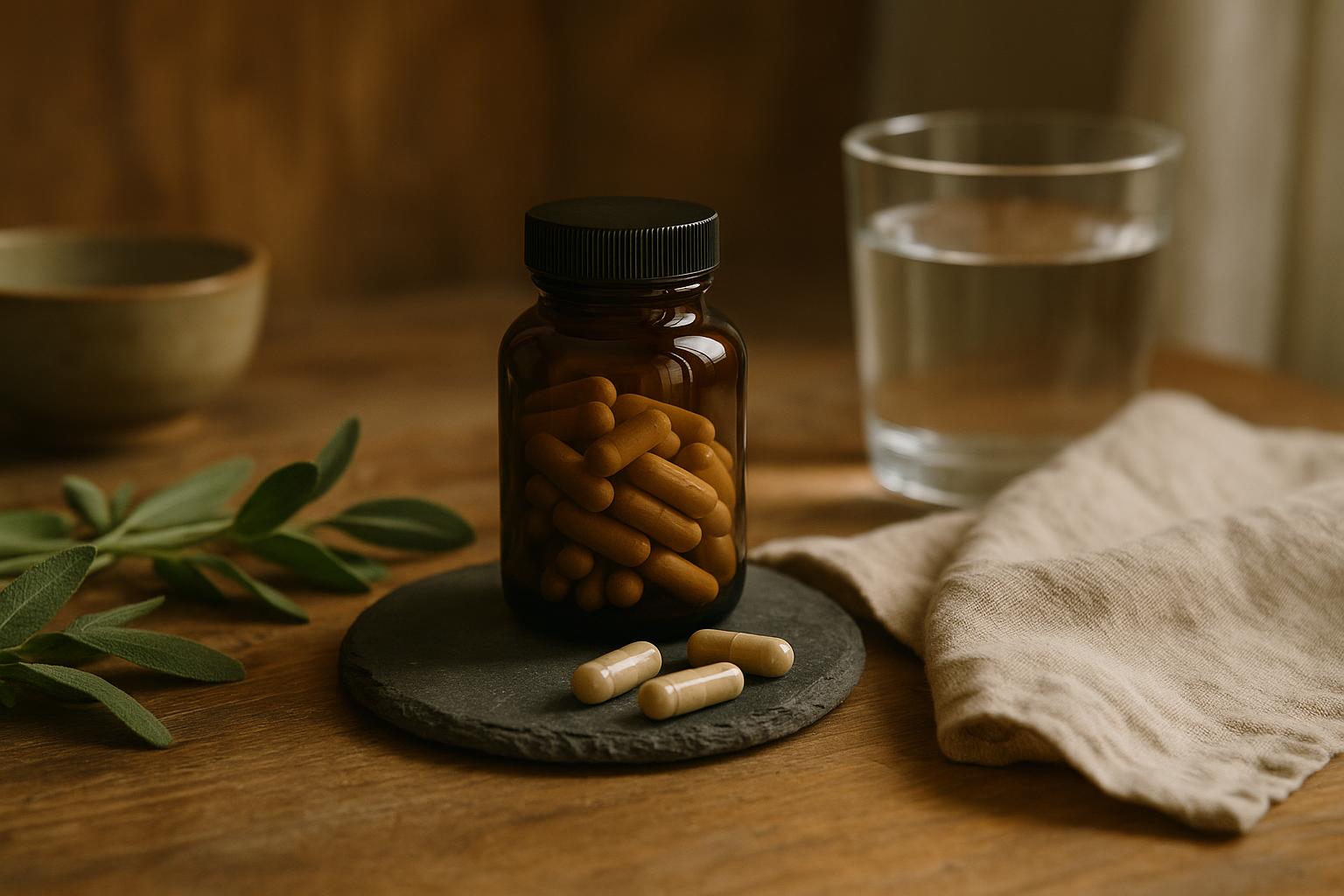
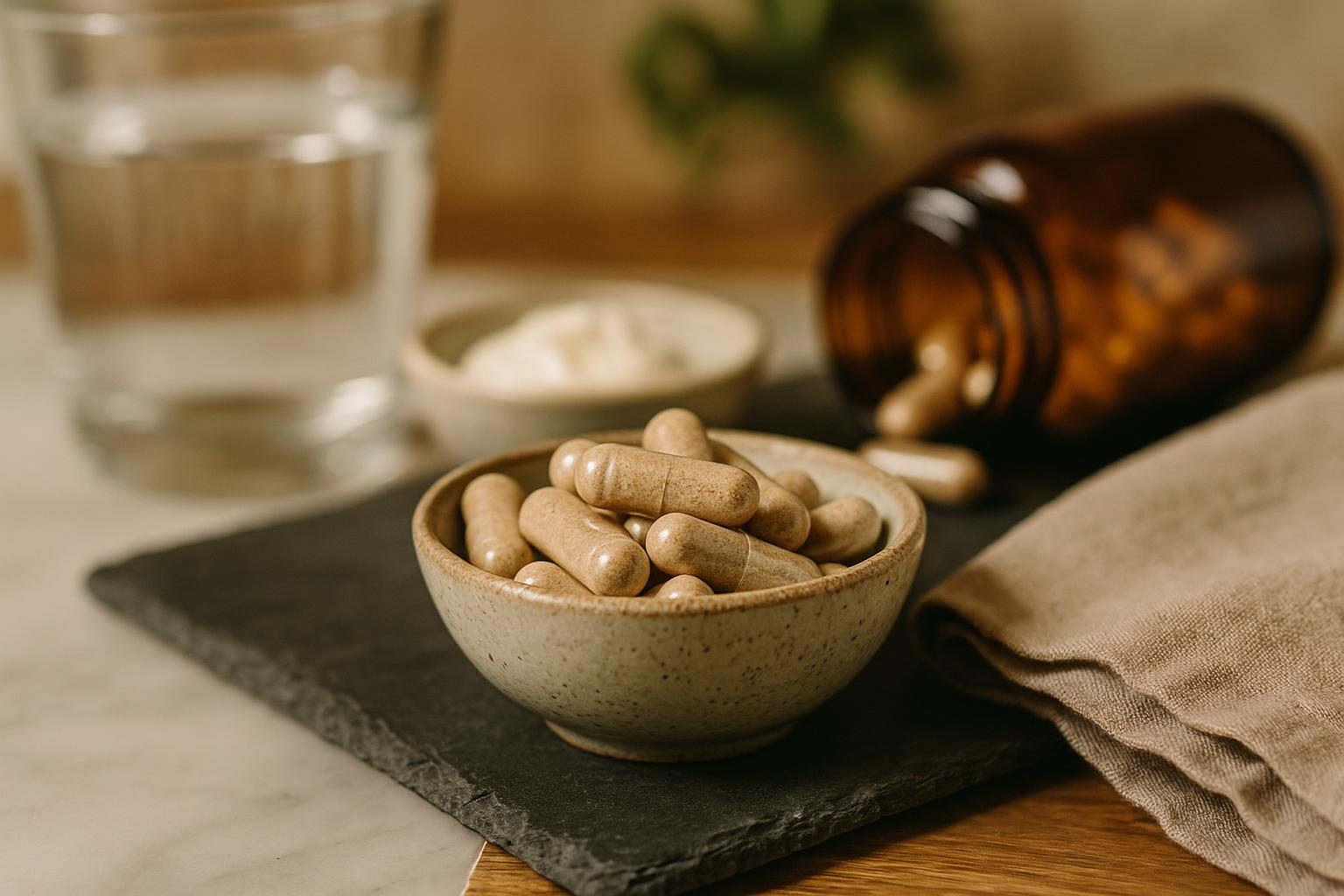
Various forms are available: gastro-resistant capsules, sachets, chewable tablets, powders, or liquids. Gastro-resistant capsules remain the most effective form because they protect the bacteria from stomach acid. Without this protection, up to 99% of bacteria can die before reaching the intestines.
2. The 5 most studied probiotic strains
Not all strains of a probiotic supplement produce the same effects. Each strain possesses specific properties documented by separate clinical studies. Here are those with the strongest body of scientific evidence.
- Lactobacillus rhamnosus GG : the most studied strain in the world, effective against traveler's diarrhea and post-antibiotic digestive disorders.
- Bifidobacterium longum : reduces anxiety symptoms and improves sleep quality according to several controlled trials.
- Lactobacillus acidophilus : supports lactose digestion and reduces bloating in lactose-intolerant individuals.
- Saccharomyces boulardii : a probiotic yeast that is particularly effective in preventing antibiotic-associated diarrhea.
- Bifidobacterium infantis : significantly reduces abdominal pain in irritable bowel syndrome.
TheEFSA (European Food Safety Authority) emphasizes that health claims for probiotics must be evaluated strain by strain. A multi-strain probiotic food supplement is not automatically superior to a single-strain product.

3. Effect on digestion: what science proves
The probiotic food supplement acts on digestion through several simultaneous mechanisms. It produces short-chain fatty acids that nourish the cells of the colon. It strengthens the intestinal barrier by stimulating the production of protective mucus. It also regulates intestinal motility, that is, the speed at which food moves through the intestine.
A meta-analysis published on PubMed , encompassing 82 clinical trials, concluded that probiotics significantly reduce bloating, abdominal pain, and the frequency of diarrheal episodes. The effect was more pronounced in individuals with irritable bowel syndrome or post-antibiotic dysbiosis.
For people suffering from chronic constipation, a probiotic dietary supplement containing Bifidobacterium strains increases bowel movement frequency by an average of 1.3 times per week, according to available data. This result is modest but statistically significant and without notable side effects.
4. Immunity: the key role of the gut microbiota
Seventy percent of your immune system resides in your gut. A probiotic dietary supplement acts directly on this critical interface between the outside world and your body. Probiotic bacteria stimulate the production of secretory immunoglobulin A (IgA), your first line of defense against pathogens.
Research conducted by Harvard Health shows that people taking a probiotic supplement during the winter reduce the duration of their respiratory infections by an average of one to two days. The preventative effect is moderate but consistent across several studies.
A healthy gut microbiota also produces natural antimicrobial substances called bacteriocins. These molecules inhibit the growth of pathogenic bacteria such as Clostridium difficile or certain strains of Escherichia coli. A high-quality probiotic supplement enhances this natural production. To learn more about this topic, the section on gut flora and its probiotics is a useful supplementary resource.
5. Microbiota and probiotic food supplements: how do they work?
Your gut microbiota contains between 10 trillion and 100 trillion microorganisms belonging to more than 1,000 different species. This ecosystem is unique, like a fingerprint. A probiotic food supplement is not intended to replace it, but to rebalance it when it is disrupted.
Dysbiosis—an imbalance of the gut microbiota—can be caused by antibiotics, a low-fiber diet, chronic stress, or gastroenteritis. In these situations, a probiotic supplement provides beneficial strains that temporarily occupy the space left vacant by protective bacteria. To learn more, see the article " Gluten Microbiota and Dietary Supplements," which details these mechanisms in depth.
The effect of probiotic supplements on the gut microbiota is temporary. The introduced strains do not establish themselves permanently. They generally disappear 2 to 4 weeks after stopping supplementation. This is why diet remains the primary factor in maintaining a healthy gut microbiota in the long term.
6. How to choose a good probiotic food supplement?
The probiotic market is saturated with products of widely varying quality. A good probiotic supplement must meet specific and verifiable criteria. Here are the elements to check before making a purchase.
- Strain identification : the full name must appear on the label (genus, species, strain number). Ex: Lactobacillus rhamnosus GG.
- Concentration in CFU : minimum 1 billion CFU per dose, ideally 10 to 50 billion for therapeutic use.
- Guaranteed until the expiry date : UFCs must be guaranteed until the expiry date, not until the date of manufacture.
- Gastric protection : gastro-resistant capsule or microencapsulation technology to protect strains from stomach acid.
- Clinical studies : prefer products whose strains have been tested and published in peer-reviewed journals.
- No unnecessary additives : avoid products containing excessive colorings, artificial flavorings or sweeteners.
- Storage conditions : some strains require refrigeration, others are stable at room temperature.
ANSESconsumers that probiotic food supplements are not subject to the same evidence requirements as medicines. Therefore, consumer vigilance is essential to avoid ineffective products.
7. Comparative table: dietary probiotics vs. supplements
A probiotic supplement isn't the only way to introduce beneficial bacteria to your body. Fermented foods offer a natural and complementary alternative. Here's an objective comparison of the two approaches.
| Criteria | Probiotic food supplement | Naturally fermented foods |
|---|---|---|
| Concentration in CFU | 1 to 100 billion / dose | 1 to 100 million / portion |
| Identified strains | Yes (on the label) | Variable, not guaranteed |
| Gastric protection | Gastro-resistant capsule possible | No specific protection |
| Monthly cost | €15 to €60 | €5 to €20 (yogurt, kefir, kombucha) |
| Diversity of strains | Limited (2 to 10 strains) | Very high and variable |
| Clinical evidence | Available for certain strains | Limited, studies in progress |
| Practicality | Very practical (capsule) | Requires a dietary habit |
| Associated nutritional effects | None | Vitamins, minerals, fiber |
The ideal approach is often a combination of both. A probiotic supplement for targeted, occasional needs, combined with a diet rich in fermented foods for daily gut microbiota maintenance. To explore natural food sources, see " What are probiotic foods?" which provides a detailed and practical list.
8. When and how should I take a probiotic food supplement?
The timing of intake directly influences the effectiveness of a probiotic supplement. Most experts recommend taking it 30 minutes before a meal or at the beginning of the meal. At this time, stomach acidity is lower, which improves the survival of the strains until they reach the small intestine.
- Before or during meals : recommended for the majority of standard capsules.
- On an empty stomach : possible only with certified gastro-resistant capsules.
- In the evening : some studies suggest better nocturnal colonization because intestinal motility is reduced.
- During antibiotic therapy : take the probiotic at least 2 hours apart from the antibiotic to prevent the latter from destroying the strains.
- Minimum duration : 4 consecutive weeks to observe a measurable effect on the microbiota.
Avoid mixing your probiotic supplement in a hot drink. Heat destroys live bacteria. Room temperature or cold water is perfectly suitable.
9. Possible side effects and precautions
Probiotic dietary supplements are generally very well tolerated by healthy individuals. Side effects are usually mild and temporary. They occur mainly during the first few days of supplementation, while the gut microbiota adjusts.
- Mild bloating and flatulence (disappears in 3 to 5 days)
- Slight change in transit (temporary acceleration or deceleration)
- Transient abdominal discomfort
Special precautions are necessary in certain situations. Immunocompromised individuals (due to chemotherapy, HIV, or organ transplantation) must consult their doctor before taking a probiotic supplement. Rare cases of bacteremia (bacteria in the blood) have been reported in these vulnerable populations. The NCCIH (National Center for Complementary and Integrative Health) classifies probiotics as generally safe for healthy adults.
10. Probiotics and prebiotics: a powerful synergy
A probiotic supplement is even more effective when combined with prebiotics. Prebiotics are indigestible fibers that serve as food for beneficial bacteria. This combination is called a "symbiotic" and represents the most advanced formulation available today.
The best-documented prebiotics are inulin, fructooligosaccharides (FOS), and galactooligosaccharides (GOS). They occur naturally in garlic, onions, leeks, asparagus, and green bananas. Some probiotic supplements incorporate prebiotics directly into their formula to maximize their effect.
To compare the different sources of natural probiotics such as kefir and kombucha, kombucha or kefir: which to choose offers a detailed and objective analysis of these two popular options.
11. Probiotic food supplements and digestion: 7 proven effects
Research on the digestive effects of probiotic supplements has expanded considerably over the last ten years. Here are the seven effects best documented by randomized clinical trials.
- Reduction of antibiotic-associated diarrhea : proven efficacy with a 42% risk reduction according to a Cochrane meta-analysis.
- Improvement in IBS symptoms : reduction of abdominal pain and bloating in 60 to 70% of treated patients.
- Prevention of traveler's diarrhea : Lactobacillus rhamnosus GG reduces the risk by 8% when traveling to countries at risk.
- Reduction of chronic constipation : increase in bowel movement frequency of 1.3 times per week on average.
- Improved lactose digestion : lactase-producing strains reduce intolerance symptoms.
- Reduction of intestinal inflammation : documented effects in mild to moderate ulcerative colitis.
- Protection against H. pylori infections : as an adjunct to antibiotic treatment, it improves eradication and reduces side effects.
To delve specifically into the impact on digestion, probiotics and their effects on digestion details each of these mechanisms with the corresponding scientific references.
12. Diet and probiotic food supplements: how complementary are they?
A probiotic supplement should not replace a varied, fiber-rich diet. The two approaches are complementary. A diet low in fiber deprives probiotics of their nutrient substrate, reducing their effectiveness even at high doses.
Foods that support the action of a probiotic supplement include green vegetables, legumes, whole fruits, and whole grains. These foods provide the prebiotic fiber necessary for the growth of beneficial bacteria in your colon. To discover how to incorporate more fermented foods into your daily routine, the list of natural probiotic foods is a practical and comprehensive starting point.
Chronic stress, a sedentary lifestyle, and lack of sleep also damage the gut microbiota. A probiotic supplement alone cannot compensate for an unbalanced lifestyle. It works in synergy with all your other health habits.
13. Who benefits most from a probiotic food supplement?
Certain populations derive a particularly clear benefit from probiotic supplementation. Clinical data help identify profiles for which this indication is strongest.
- People on antibiotics : prevention is almost always recommended by gastroenterologists.
- People suffering from IBS : significant improvement in quality of life documented.
- Travelers to countries with a risk of infection : reducing the risk of traveler's diarrhea.
- Elderly people : the microbiota becomes depleted with age, supplementation can partially compensate for this loss.
- Premature infants : under strict medical supervision, reduces the risk of necrotizing enterocolitis.
- People after gastroenteritis : accelerates the restoration of the disrupted microbiota.
However, in a healthy adult with a balanced diet, the benefit of a probiotic supplement is less well-established. Routine supplementation without a specific indication is not justified by current evidence.
Key takeaways
A probiotic supplement is a genuine therapeutic tool, provided you choose the right product with the right strain for the intended use. The scientific evidence is strong for the prevention of post-antibiotic diarrhea, irritable bowel syndrome, and for immune support. A probiotic supplement is not a universal cure, but a targeted and well-tolerated aid for those who truly need it.
Practical advice: If you are taking antibiotics, start taking a probiotic supplement containing Lactobacillus rhamnosus GG or Saccharomyces boulardii from the first day of treatment, taking it 2 hours apart. Continue taking the supplement for 2 weeks after finishing the antibiotic treatment to optimize the restoration of your gut flora.
- A probiotic food supplement contains live microorganisms that support your gut microbiota and boost your natural immunity.
- Choose a probiotic food supplement with an identified strain, at least 1 billion CFU and certified gastric protection to guarantee effectiveness.
- The probiotic food supplement is particularly recommended during and after antibiotic therapy, in cases of IBS or chronic digestive disorders.
- Combining a probiotic food supplement with prebiotics (dietary fibers) maximizes its effect on the intestinal flora and overall digestive health.
- A probiotic food supplement does not replace a balanced diet: it works in synergy with your eating habits and overall lifestyle.
Frequently asked questions about probiotic food supplements
What is a probiotic food supplement?
A probiotic food supplement is a product containing live bacteria or yeasts selected for their beneficial effects on health. It is available in the form of capsules, sachets, or tablets. Unlike a medicine, it is not subject to the requirement to prove its effectiveness before being placed on the market in Europe.
How long does it take to feel the effects of a probiotic food supplement?
The first effects of a probiotic supplement on digestion and bloating are generally felt within 1 to 2 weeks. For a measurable effect on the gut microbiota and immunity, a course of at least 4 consecutive weeks is necessary. Some benefits, such as a reduction in respiratory infections, are observed after 3 months of continuous supplementation.
Is it safe to take a probiotic food supplement every day?
Yes, taking a probiotic supplement daily is safe for healthy adults. Most clinical studies use a duration of 4 to 12 weeks. Continuous use for several months is possible but rarely necessary unless specifically indicated by a doctor. Take a break and reassess your needs regularly.
When is the best time to take a probiotic food supplement?
The best time to take a probiotic supplement is 30 minutes before a meal or at the beginning of a meal. At this time, stomach acid is lower, which improves the survival of the strains until they reach the intestines. Enteric-coated capsules can be taken at any time, including on an empty stomach, as they resist stomach acid.
Is a probiotic food supplement useful after taking antibiotics?
Yes, this is one of the best-documented indications. A probiotic supplement taken during and after antibiotic treatment reduces the risk of antibiotic-associated diarrhea by 42%, according to meta-analyses. Take it two hours apart from the antibiotic and continue for two weeks after completing the course of treatment to effectively restore your gut flora.
What dose of CFU should I choose in a probiotic food supplement?
For general preventative use, 1 to 10 billion CFU per day is sufficient. For specific therapeutic indications such as IBS or the prevention of post-antibiotic diarrhea, doses of 10 to 50 billion CFU are used in clinical trials. The higher the dose, the greater the cost, without any guarantee of proportional efficacy.
Can a probiotic food supplement help with weight loss?
The evidence is insufficient to recommend a probiotic supplement as a weight-loss aid. Some studies show a slight reduction in abdominal fat with specific strains of Lactobacillus gasseri. These effects remain modest and do not replace a balanced diet and regular physical activity.
Is a probiotic food supplement suitable for children?
Some probiotic supplements are formulated specifically for children with adapted strains and doses. Lactobacillus rhamnosus GG is the best-documented pediatric strain. Always consult a pediatrician before giving a probiotic supplement to a child under 3 years old, especially for premature or immunocompromised infants.
Is it safe to take a probiotic food supplement during pregnancy?
Available data suggest that taking a probiotic supplement during pregnancy is generally safe. Some studies show a benefit in preventing atopic eczema in infants. Always consult your doctor or midwife before starting any probiotic supplement during pregnancy or breastfeeding.
What is the difference between probiotics and prebiotics in a dietary supplement?
In a dietary supplement, probiotics are live microorganisms (bacteria, yeasts) that temporarily colonize the gut. Prebiotics are indigestible fibers that feed these bacteria. A probiotic dietary supplement that combines the two is called a synbiotic. This combined formulation generally offers greater effectiveness on the gut microbiota.
How to store a probiotic food supplement?
The storage of a probiotic food supplement depends on the formulation. Some products require refrigeration between 2 and 8°C to maintain the viability of the strains. Others, stabilized by freeze-drying or microencapsulation, can be stored at room temperature. Always read the label and avoid humidity, heat, and direct light, which degrade live bacteria.
Can a probiotic food supplement replace fermented foods?
No, a probiotic supplement does not replace fermented foods. Fermented foods like kefir, yogurt, or sauerkraut provide a diversity of natural strains, vitamins, minerals, and fiber that probiotic supplements do not contain. The two approaches are complementary for optimal gut health in the long term.
Sources and studies
- PubMed — Prevalence of probiotic use in European adults (2022)
- PubMed — Meta-analysis on probiotics and functional digestive disorders (2021)
- WHO — Official definition of probiotics and prebiotics (FAO/WHO 2001)
- NCCIH — Probiotics: What You Need To Know (2023 update)
- ANSES — Probiotics: risk and benefit assessment (France)
This article is provided for informational purposes only and does not constitute medical advice. Consult a qualified healthcare professional before use.