Probiotic gut flora: how to quickly rebalance it
Medical Disclaimer: The information in this article is provided for educational purposes only. It is not a substitute for professional medical advice. Consult your doctor before making any changes to your diet or taking any dietary supplements.
The probiotic gut flora refers to all the living microorganisms that populate your intestines and maintain their balance. Studies published on PubMed show that a diverse microbiota reduces the risk of digestive problems, strengthens the immune system, and improves mood. Here are seven facts that science proves.
- Strengthens the intestinal barrier against pathogens
- Improves digestion and reduces bloating
- Supports the immune system by up to 70%
- Positively influences the gut-brain axis
- Accelerates recovery after antibiotic therapy
1. What exactly is probiotic gut flora?
The probiotic gut flora comprises billions of bacteria, yeasts, and other living microorganisms. They primarily colonize the colon and small intestine. Today, we speak of the gut microbiota, a more precise term than "flora."
Your microbiota contains approximately 100 trillion microorganisms. They belong to more than 1,000 different species. Each individual has a unique composition, comparable to a fingerprint.
Probiotics are live microorganisms which, when consumed in sufficient quantities, confer a health benefit. This definition comes from theWorld Health Organization.
2. Probiotic gut flora and immunity: a direct link
Approximately 70% of immune cells reside in your gut. The probiotic gut flora constantly interacts with these cells, teaching them to distinguish between pathogens and harmless substances.
An imbalance in the gut microbiota—known as gut dysbiosis —weakens this immune response. Research published in NCCIH confirms this link between microbial diversity and immune robustness.
Consuming beneficial bacteria regularly helps maintain this natural defense. Lactobacillus rhamnosus and Bifidobacterium longum strains are among the best documented.
3. Which foods contain natural probiotics?
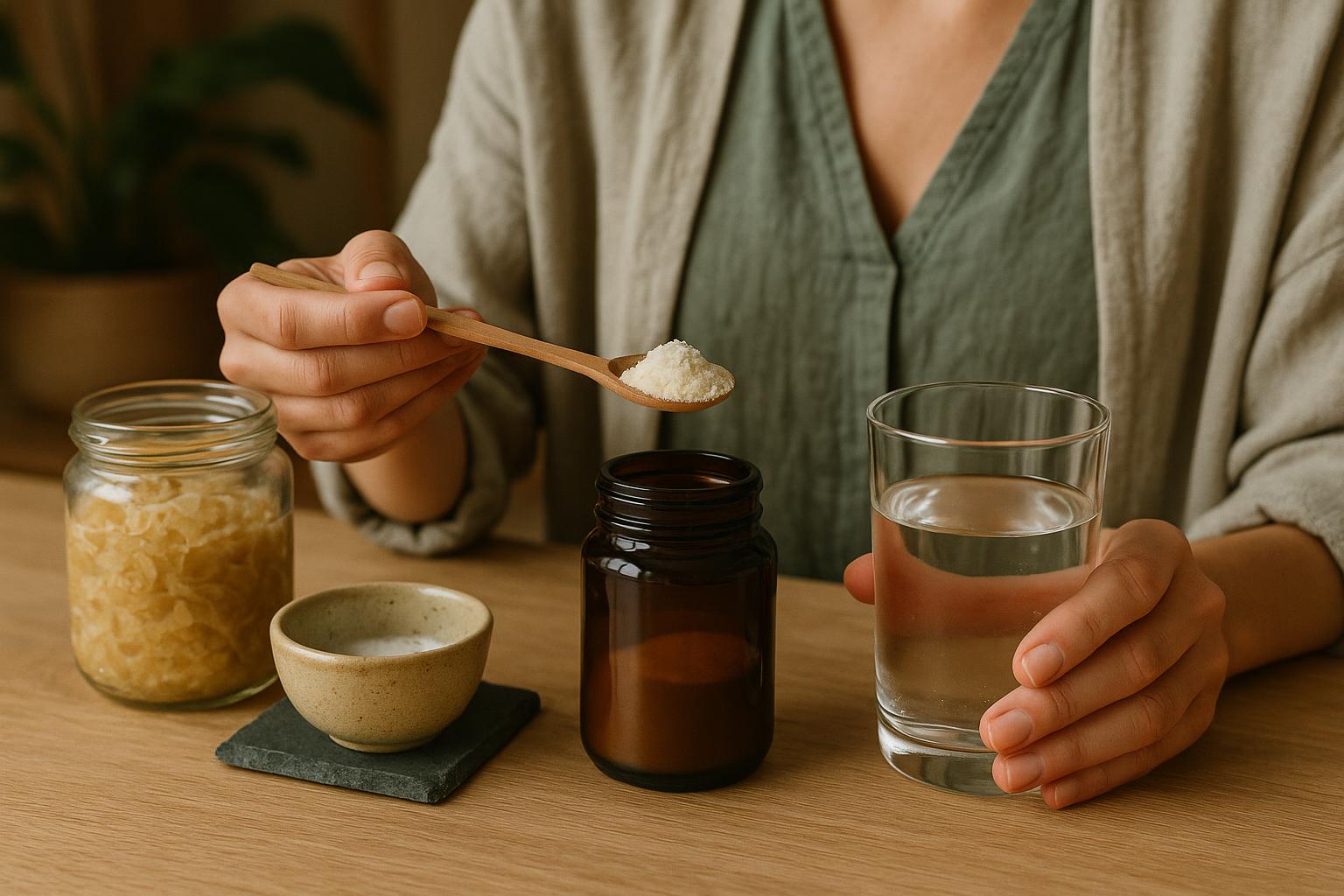
Fermented foods are the most natural source of probiotics. They directly enrich your gut flora with live microorganisms. Here are the most effective:
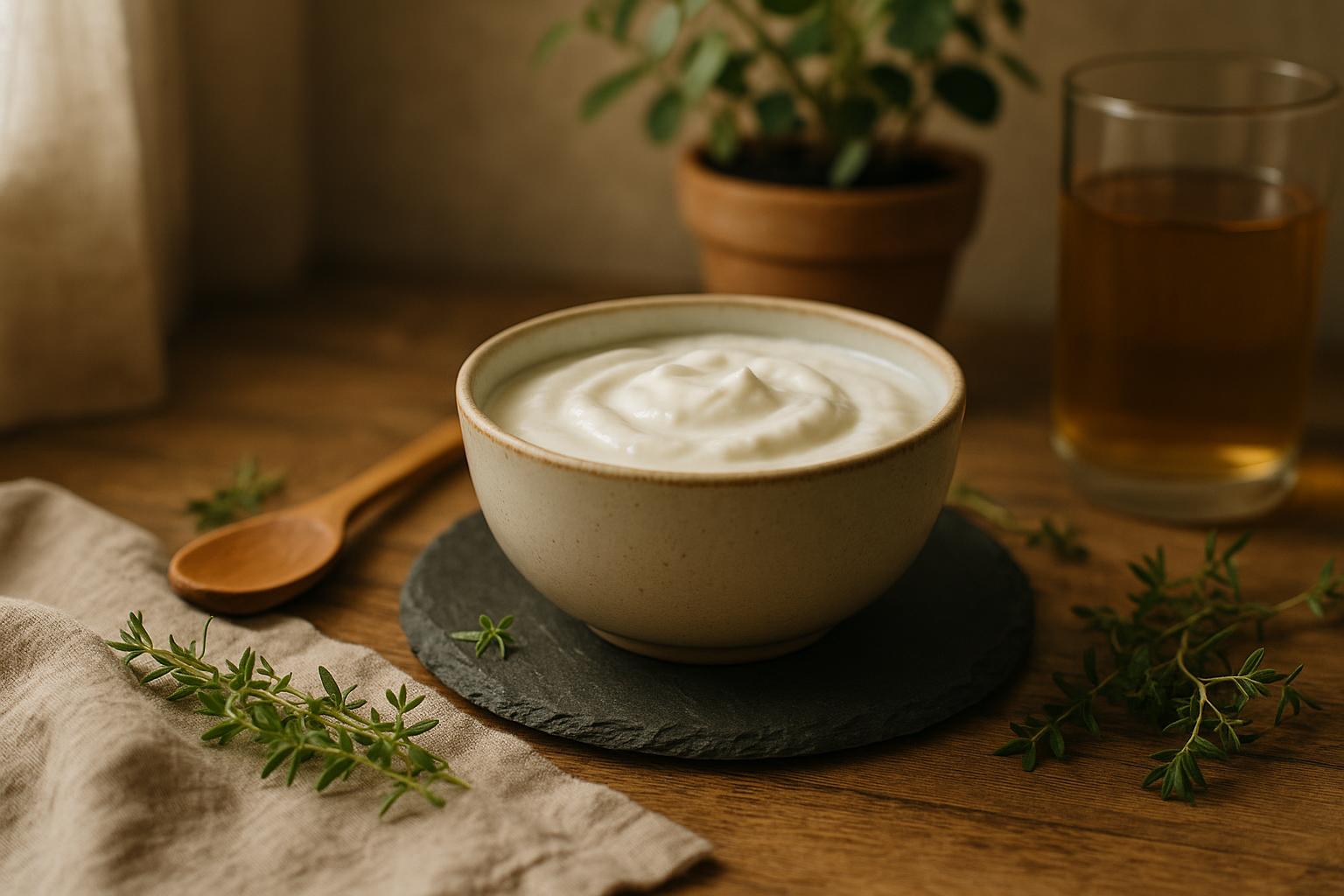
- Plain yogurt : contains Lactobacillus bulgaricus and Streptococcus thermophilus
- Milk or fruit kefir : up to 60 different strains of bacteria and yeasts
- Kombucha : a fermented beverage rich in organic acids and beneficial yeasts
- Raw sauerkraut : an excellent source of unpasteurized Lactobacillus
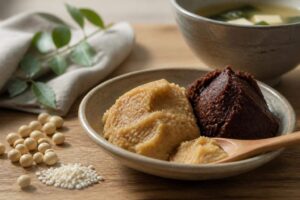
- Miso and tempeh : fermented soy-based products, rich in digestive enzymes.
- Kimchi : lacto-fermented vegetables with multiple probiotic strains
To learn more, consult our guide on natural probiotic foods which details each food source.
4. Antibiotics and gut flora: how to recover?
Antibiotics eliminate not only pathogenic bacteria but also beneficial bacteria in your gut. This disruption can last for several weeks, or even several months. It takes time for the probiotic gut flora to regenerate naturally.
Taking probiotics during and after antibiotic treatment significantly reduces associated diarrhea. A meta-analysis published on PubMed , encompassing 82 studies, confirms this efficacy.
- Take the probiotic 2 hours after the antibiotic, never at the same time
- Continue the treatment for at least 2 weeks after the end of the course
- Favor the Saccharomyces boulardii and Lactobacillus acidophilus
- Eat foods rich in prebiotic fiber to feed the new bacteria
5. Does probiotic gut flora improve digestion?
Yes. The microorganisms in the gut microbiota produce digestive enzymes that your body doesn't make on its own. They ferment dietary fiber and release short-chain fatty acids essential for colon health.
Studies cited by Harvard Health show that probiotics reduce the symptoms of irritable bowel syndrome. Bloating, cramps, and irregular bowel movements improve within 4 to 8 weeks of treatment.
Our article on probiotics and digestion details the mechanisms of action strain by strain.
6. Gut and brain: probiotic flora influences your mood
The gut-brain axis is a two-way communication highway. Your microbiota produces approximately 90% of your body's serotonin. This molecule regulates mood, sleep, and appetite.
An imbalance in the gut microbiota is associated with increased stress and anxiety. Recent research has identified psychobiotic strains capable of acting on this axis. Lactobacillus helveticus and Bifidobacterium longum are the most studied in this area.
7. Probiotic food supplements: how to choose the right one?
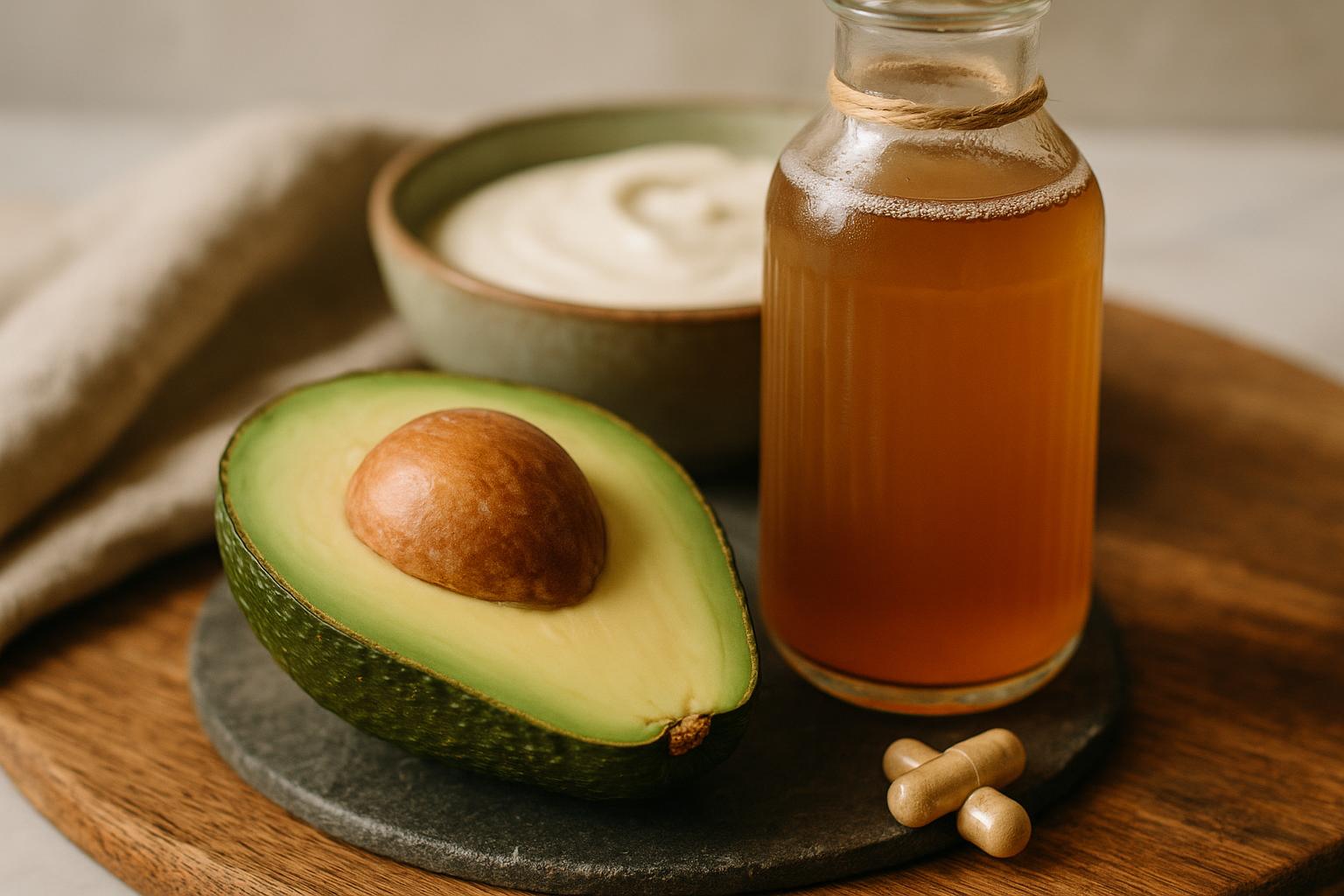
Not all supplements are created equal. Quality depends on the number of strains, the concentration of CFU (colony-forming units), and the product's stability. Here are the essential criteria:
- Minimum concentration : 10 billion CFU per dose for a clinically significant effect
- Diversity of strains : at least 3 to 5 different strains to cover several functions
- Gastro-resistant capsules : protect bacteria from stomach acid
- Expiration date : UFCs must be guaranteed until the expiration date, not until the date of manufacture
- Storage : some strains require refrigeration
Our analysis of effective probiotic supplements helps you compare the best options available.
8. Prebiotics and probiotics: an essential synergy
Prebiotics are indigestible fibers that nourish the beneficial bacteria in your gut. Without prebiotics, probiotics struggle to establish themselves. This combination is called a synbiotic.
The best sources of prebiotics include garlic, onion, leeks, asparagus, green bananas, and oats. TheEFSA recognizes the role of dietary fiber in maintaining a balanced gut flora.
Combining a prebiotic-rich food with your probiotic gut flora source maximizes the benefits. Yogurt with bananas and oats is a simple and effective example.
9. The most effective probiotic strains: comparative table
Each probiotic strain has specific effects on health. This table summarizes the available scientific data for the most documented strains.
| Probiotic strain | Main benefit | Level of evidence |
|---|---|---|
| Lactobacillus acidophilus | Gut flora balance, lactose digestion | Pupil |
| Bifidobacterium longum | Stress reduction, immune support | Pupil |
| Lactobacillus rhamnosus GG | Diarrhea prevention, post-antibiotic recovery | Very high |
| Saccharomyces boulardii | Traveler's diarrhea, Clostridioides colitis | Very high |
| Bifidobacterium infantis | Irritable bowel syndrome | Pupil |
| Lactobacillus plantarum | Reduction of bloating, intestinal permeability | Moderate to high |
| Streptococcus thermophilus | Lactose digestion, colon health | Moderate |
10. Microbiota and supplements: what current research says
The science of the microbiota is evolving rapidly. Researchers identify new interactions between probiotic gut flora and overall health every year. The link with metabolic diseases, obesity, and even certain cancers is being studied.
ANSES recommends caution regarding unsubstantiated marketing claims. It emphasizes that the effects of probiotics depend on the strain, the dose, and the initial health status of each individual .
To understand how microbiota supplements fit into a holistic approach, see our dedicated analysis.
11. Recognizing and correcting intestinal dysbiosis
Dysbiosis is an imbalance of the probiotic gut flora. It manifests itself through signs that are often dismissed but are nonetheless revealing. Here are the warning signs:
- Persistent bloating after meals
- Irregular bowel movements: constipation or recurring diarrhea
- Chronic fatigue with no identified cause
- Recurrent ENT or urinary tract infections
- New or worsening food intolerances
- Reactive skin: eczema, acne or psoriasis
If you experience several of these symptoms, a course of treatment to rebalance your gut flora may be considered. Talk to your doctor or a nutritionist before starting.
12. Kefir, kombucha and lacto-fermented vegetables: the natural champions
Kefir is one of the most concentrated sources of live bacterial cultures. Studies have shown it contains up to 60 different probiotic strains. Our guide to the health benefits of kefir details its effects on the gut microbiota.
Kombucha provides beneficial yeasts and organic acids that support probiotic gut flora. Lacto-fermented vegetables—sauerkraut, kimchi, natural pickles—are time-honored sources of lactic acid bacteria.
- Milk kefir: 10 to 60 billion CFU per 250 ml
- Plain yogurt with live cultures: 1 to 10 billion CFU
- Homemade kombucha: varies depending on fermentation
- Raw, unpasteurized sauerkraut: rich in Lactobacillus
13. 5 simple habits to nourish your gut flora
Maintaining a probiotic gut flora doesn't require a complex protocol. Simple daily habits are enough. Here are the most effective:
- Eat a varied diet : dietary diversity is the primary factor in microbial diversity.
- Consume fermented foods daily: yogurt, kefir or sauerkraut
- Limit refined sugars : they promote pathogenic bacteria at the expense of beneficial bacteria.
- Move regularly : moderate physical exercise increases the diversity of the microbiota.
- Get enough sleep : lack of sleep disrupts the balance of the gut flora
14. Who should be cautious with probiotics?
Probiotics are generally safe for healthy individuals. However, certain profiles require special attention. Consult your doctor if you fall into one of these categories:
- Weakened immune system (chemotherapy, HIV, immunosuppressants)
- Central venous catheter in place
- Acute pancreatitis
- Premature babies or infants under 6 months old
- Known allergy to the components of the supplement
ANSES reminds thepublic that adverse effects from probiotics are rare but possible in immunocompromised individuals. Medical supervision is recommended in these situations.
- The probiotic gut flora is an ecosystem of billions of microorganisms that protects your digestive, immune, and mental health.
- Antibiotics disrupt the probiotic intestinal flora: a course of probiotics during and after treatment accelerates recovery.
- The probiotic gut flora feeds on prebiotics: combine fermented foods and dietary fiber for optimal effect.
- To support your probiotic gut flora, favor kefir, plain yogurt, raw sauerkraut and lacto-fermented vegetables on a daily basis.
- Probiotic gut flora influences the gut-brain axis: a balanced microbiota helps reduce stress and improve mood.
Frequently asked questions about probiotic gut flora
What is probiotic gut flora?
The term "probiotic gut flora" refers to all the living microorganisms—bacteria, yeasts, viruses—that inhabit your gut. These microorganisms maintain digestive balance, strengthen the immune system, and influence your mental health via the gut-brain axis. Today, we refer to this as the gut microbiota.
How to rebalance your gut flora naturally?
To rebalance your probiotic gut flora naturally, consume fermented foods daily (yogurt, kefir, raw sauerkraut), increase your intake of prebiotic fibers (garlic, onion, leek), reduce refined sugars, sleep 7 to 8 hours per night and engage in regular physical activity.
How long does it take to restore gut flora?
Restoring the probiotic gut flora after a disruption (antibiotics, gastroenteritis) generally takes 4 to 8 weeks. With a suitable diet and a course of probiotics, this timeframe can be reduced. Some severe disruptions may require several months of rebalancing.
Are probiotics effective for digestion?
Yes. Probiotics that support gut flora reduce bloating, improve bowel regularity, and alleviate symptoms of irritable bowel syndrome. Meta-analyses published on PubMed confirm these effects for Lactobacillus and Bifidobacterium strains consumed regularly for at least four weeks.
What are the best foods for gut flora?
The best foods to nourish your probiotic gut flora are kefir, natural yogurt with live cultures, raw unpasteurized sauerkraut, kimchi, miso, tempeh, and homemade kombucha. Combine them with foods rich in prebiotic fiber to maximize their effectiveness.
Is it safe to take probiotics every day?
Yes, daily probiotic intake is safe for most healthy adults. Regular intake maintains the diversity of the probiotic gut flora. People with weakened immune systems or serious illnesses should consult their doctor before taking any supplements.
What is the difference between probiotics and prebiotics?
Probiotics are live microorganisms that directly enrich the gut flora. Prebiotics are indigestible dietary fibers that nourish these microorganisms. The two are complementary: without prebiotics, probiotics struggle to establish themselves permanently in your gut microbiota.
Do antibiotics destroy the gut flora?
Antibiotics significantly disrupt the probiotic gut flora by eliminating both pathogenic and beneficial bacteria. This dysbiosis can last for several weeks. Taking probiotics (Lactobacillus rhamnosus GG or Saccharomyces boulardii) during and after treatment limits this damage.
Is kefir the best natural probiotic?
Kefir is one of the most concentrated and diverse sources of probiotic gut flora. It contains up to 60 strains of beneficial bacteria and yeasts. Studies confirm its positive effects on digestion, immunity, and lactose tolerance. It compares favorably with most dietary supplements.
How many CFU are needed for a real probiotic effect?
For a clinically significant effect on the probiotic gut microbiota, most studies use doses of 1 to 100 billion CFU (colony-forming units) per day. A minimum of 10 billion CFU is generally recommended for dietary supplements. The optimal dose varies depending on the strain and the health objective.
Does gut flora influence weight?
Recent research shows that the composition of the probiotic gut flora influences metabolism, fat storage, and appetite regulation. Certain strains, such as Lactobacillus gasseri, are associated with a reduction in abdominal fat mass. However, probiotics alone are not a substitute for a balanced diet.
Can you have too many probiotics?
An excess of probiotics can cause temporary bloating, gas, or digestive upset in some people. These effects are usually mild and disappear within a few days. In immunocompromised individuals, an excess of live microorganisms may present more serious risks requiring medical advice.
Does probiotic gut flora protect against infections?
Yes. A diverse probiotic gut flora strengthens the intestinal barrier and stimulates the production of local antibodies (secretory IgA). It prevents pathogenic bacteria from colonizing the gut through direct competition. Studies published on PubMed show a reduction in the duration and frequency of respiratory infections in people with a balanced microbiota.
Key takeaways
Probiotic gut flora is much more than just a digestive aid: it's a central pillar of your overall health. Nourishing and preserving this microbial ecosystem protects your immunity, mood, and metabolism. Probiotic gut flora is built up every day through your food choices and lifestyle habits.
Start today with a simple action: add a fermented food to each main meal. A plain yogurt at breakfast, a spoonful of raw sauerkraut at lunch, and a glass of kefir in the evening are enough to significantly enrich your gut microbiota in just a few weeks.
Sources and studies
- Hill C. et al. — Expert consensus document: The International Scientific Association for Probiotics and Prebiotics consensus statement on the scope and appropriate use of the term probiotic. PubMed, 2014.
- World Health Organization — Probiotics in food: health and nutritional properties. WHO, 2006.
- Harvard Health Publishing—The benefits of probiotics. Harvard Medical School, 2023.
- National Center for Complementary and Integrative Health—Probiotics: What You Need To Know. NCCIH, 2023.
- European Food Safety Authority — Prebiotics and probiotics. EFSA, 2022.
This article is provided for informational purposes only and does not constitute medical advice. Consult a qualified healthcare professional before use.