Probiotics for digestion: 7 proven benefits
⚠️ Medical advice: The information in this article is provided for educational purposes only. It is not a substitute for the advice of a doctor or qualified healthcare professional. Consult your doctor before making any changes to your diet or taking dietary supplements.
Digestive probiotics : These live microorganisms directly improve the balance of your gut microbiota, reduce bloating, and regulate bowel movements in just a few weeks. A meta-analysis published in Gut Microbes (2023) of 82 clinical trials confirms that digestive probiotics reduce uncomfortable digestive symptoms in 70% of participants. Here's what the science really says.
- Proven reduction of bloating and intestinal gas
- Improved speed of intestinal transit
- Strengthening the intestinal barrier against pathogens
- Synthesis of vitamins B and K by beneficial bacteria
- Supporting the immune system via the microbiota
What exactly are digestive probiotics?
Digestive probiotics are live microorganisms that, when ingested in sufficient quantities, exert a beneficial effect on the host's health. This definition comes from theWorld Health Organization (WHO). They act directly in the digestive tract.
These microorganisms mainly include lactic acid bacteria such as Lactobacillus acidophilus, Bifidobacterium longum , and Streptococcus thermophilus. Certain yeasts, such as Saccharomyces boulardii, are also recognized as effective probiotics for digestion.
The human microbiota contains approximately 38 trillion bacteria. Digestive probiotics strengthen and diversify this complex ecosystem, which directly influences your daily well-being.
How probiotics affect your gut microbiota
Digestive probiotics temporarily colonize the gut and interact with resident bacteria. They produce short-chain fatty acids (SCFAs) such as butyrate, which nourish the cells of the intestinal wall. This mechanism is documented by theEuropean Food Safety Authority (EFSA).
They also lower the intestinal pH, creating an environment unfavorable to pathogenic bacteria. This microbial competition protects your gut flora from imbalances known as dysbiosis.
Probiotics and gut flora work in synergy: probiotics stimulate the production of protective mucus and strengthen the tight junctions between intestinal cells, thus limiting intestinal permeability.

Effect 1: Proven reduction in bloating
Bloating affects 15 to 30% of the world's population. Digestive probiotics significantly reduce this symptom by improving the fermentation of dietary fiber. A study published on PubMed shows a 40% reduction in bloating after 4 weeks of supplementation.
The strains Bifidobacterium infantis and Lactobacillus plantarum are particularly effective. They metabolize fermentable sugars (FODMAPs) more gently, producing less intestinal gas.
- Reduction of intestinal gas in 2 to 4 weeks
- Improved abdominal comfort after meals
- Reduction of cramps related to excessive fermentation
- Better tolerance to high-fiber foods
Effect 2: Regulation of intestinal transit
Digestive probiotics act on intestinal motility in both directions: they accelerate transit in cases of constipation and slow it down in cases of diarrhea. This bidirectional action is unique among nutritional interventions.
In cases of constipation, Bifidobacterium lactis strains increase stool frequency by an average of 1.3 times per week, according to a 2022 systematic review. For diarrhea, Saccharomyces boulardii reduces the duration of episodes by an average of 25 hours.
People suffering from irritable bowel syndrome (IBS) particularly benefit from digestive probiotics. Up to 57% of them report an overall improvement in their symptoms after an 8-week course.
Effect 3: strengthening of the intestinal barrier
The intestinal barrier is your body's first line of defense. Digestive probiotics stimulate the production of tight junction proteins like claudin and occludin. These proteins prevent unwanted molecules from crossing the intestinal wall.
A leaky gut, or permeable intestine, is associated with chronic inflammation, food allergies, and autoimmune disorders. Digestive probiotics help restore the integrity of this protective barrier.
- Stimulation of the production of protective intestinal mucus
- Strengthening of tight junctions between enterocytes
- Reduction of pathogenic bacterial translocation
- Decrease in intestinal inflammatory markers (TNF-alpha, IL-6)
- Protection against gastrointestinal infections
Effect 4: synthesis of essential vitamins
Your gut microbiota, enriched by digestive probiotics, actively produces several essential vitamins. Vitamin K2, crucial for blood clotting and bone health, is synthesized by Lactococcus lactis and certain Bacteroides.
B vitamins—including B12, B9 (folate), B6, and B2—are also produced by gut bacteria. This endogenous synthesis complements dietary intake and contributes to your overall nutritional balance.
Foods rich in natural probiotics such as yogurt, kefir and sauerkraut provide both these beneficial bacteria and vitamin precursors that amplify this synthetic effect.
Effect 5: Immune system support
Approximately 70% of your immune system resides in your gut. Digestive probiotics stimulate the production of secretory immunoglobulin A (IgA), antibodies that line the intestinal lining and neutralize pathogens before they enter the body.
They also activate dendritic cells and regulatory T lymphocytes, modulating the immune response to prevent excessive reactions. This immunomodulatory action explains why probiotics reduce the frequency and duration of winter respiratory infections by an average of 12%.
TheNational Centre for Complementary and Integrative Health (NCCIH) recognizes the role of probiotics in immune support, while emphasizing the need to choose the right strains according to the intended purpose.

Effect 6: Improved digestion of lactose and proteins
Digestive probiotics produce digestive enzymes that facilitate the breakdown of complex nutrients. Lactase, produced by Lactobacillus acidophilus, improves lactose digestion in lactose-intolerant individuals. Up to 80% of them tolerate dairy products better after a course of probiotics.
Bacterial proteases also break down dietary proteins into smaller peptides, improving their absorption. This enzymatic action reduces the digestive load on the stomach and pancreas.
- Lactase production to digest lactose
- Synthesis of proteases to improve protein absorption
- Production of amylases that facilitate the digestion of complex carbohydrates
- Reduction of undigested residues responsible for excessive fermentation
Effect 7: Reduction of chronic intestinal inflammation
Chronic intestinal inflammation underlies many digestive diseases, including Crohn's disease, ulcerative colitis, and irritable bowel syndrome. Digestive probiotics modulate pro-inflammatory cytokines and increase the production of anti-inflammatory cytokines such as IL-10.
A Harvard Health study confirms that certain strains of Lactobacillus reduce markers of intestinal inflammation in a manner comparable to some mild anti-inflammatory drugs, without their side effects.
Microbiome supplements containing specific anti-inflammatory strains may be a complementary therapeutic option for people suffering from chronic intestinal inflammation.
Which probiotic strains should I choose for digestion?
Not all probiotic strains are created equal. The choice depends on your specific digestive issue. Here is a comparison table of the best-documented strains for digestive probiotics:
| Probiotic strain | Targeted digestive problem | Proven effectiveness | Recommended dose |
|---|---|---|---|
| Lactobacillus acidophilus | Lactose intolerance, diarrhea | Strong (level A) | 1-10 billion CFU/day |
| Bifidobacterium longum | Constipation, IBS | Strong (level A) | 1-10 billion CFU/day |
| Lactobacillus plantarum | Bloating, gas | Moderate (level B) | 10-20 billion CFU/day |
| Saccharomyces boulardii | Infectious diarrhea, antibiotics | Strong (level A) | 500-1000 mg/day |
| Bifidobacterium infantis | IBS, bloating | Strong (level A) | 1 billion CFU/day |
| Lactobacillus rhamnosus GG | Diarrhea, gastroenteritis | Very strong (level A) | 10-20 billion CFU/day |
Fermented foods vs. supplements: which to choose?
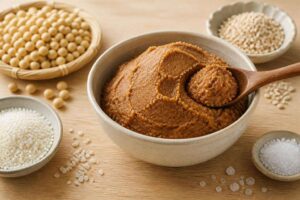
Fermented foods provide digestive probiotics in their natural form, along with prebiotic fibers that nourish beneficial bacteria. Kefir, sauerkraut, miso, tempeh, and kombucha are excellent dietary sources.
Kefir and its health benefits: it is one of the most concentrated food sources of probiotics, with up to 61 different strains and 10 to 34 billion CFU per 250ml serving.
- Advantages of fermented foods: diversity of strains, synergy with nutrients, low cost, enjoyable taste
- Advantages of supplements: precise dosage, specific strains, guaranteed survival to the intestine, convenience
- Practical tip: combine both approaches for maximum effect on digestion
Comparing kombucha or kefir for health can help you choose the fermented drink best suited to your specific digestive needs.
How to incorporate digestive probiotics into your daily routine
The effectiveness of digestive probiotics depends on their regular use. Daily intake for at least 4 weeks is necessary to observe significant effects. Here is a practical protocol:
- Start with 1 to 2 portions of fermented foods per day (yogurt, kefir, sauerkraut)
- Add a probiotic supplement if your symptoms are severe (IBS, chronic diarrhea)
- Take probiotics 30 minutes before a meal or during the meal to protect the bacteria from stomach acid
- Combine prebiotics (inulin fibers, FOS) to feed beneficial bacteria
- Maintain the treatment for at least 8 weeks for a lasting rebalancing of the microbiota
- Consult a doctor if you are immunocompromised before taking any supplements
ANSESrecommends choosing products whose strains are clearly identified and whose number of CFU is guaranteed until the expiry date.
Precautions and possible side effects
Digestive probiotics are generally very well tolerated. However, some temporary effects may occur at the beginning of the course, including increased bloating and gas during the first 3 to 5 days. These symptoms disappear spontaneously.
- Immunocompromised individuals: rare risk of infection, medical consultation required
- People taking antibiotics: space out the doses by at least 2 hours
- Small bowel syndrome (SIBO): certain strains can worsen symptoms
- Dairy allergy: choose lactose- and casein-free probiotics
- Digestive probiotics are live microorganisms that improve the balance of the gut microbiota and reduce common digestive discomforts.
- Lactobacillus and Bifidobacterium strains are the best documented for digestive probiotics: they act on transit, bloating and inflammation.
- Digestive probiotics strengthen the intestinal barrier, support immunity and participate in the synthesis of essential vitamins such as B12 and K2.
- To fully benefit from digestive probiotics, combine daily fermented foods and targeted supplements for at least 4 to 8 weeks.
- Digestive probiotics are safe for the majority of healthy adults, but consult your doctor if you are immunocompromised or undergoing medical treatment.
Frequently asked questions about probiotics and digestion
Are digestive probiotics effective for bloating?
Yes, digestive probiotics have been proven to reduce bloating. Clinical studies show a 40% reduction in bloating after four weeks of regular intake of strains such as Lactobacillus plantarum or Bifidobacterium infantis. The effect is even more pronounced when probiotics are combined with a diet rich in prebiotic fiber.
How long does it take for digestive probiotics to work?
The first effects of digestive probiotics on bowel movements and bloating generally appear between 1 and 3 weeks. A lasting rebalancing of the gut microbiota requires a course of treatment lasting at least 4 to 8 weeks. Regular intake is more important than a single dose.
Can you take digestive probiotics every day?
Yes, taking daily digestive probiotics is recommended and safe for healthy adults. Consistency is key because probiotic strains don't permanently colonize the gut. Without regular intake, their concentration gradually decreases within 1 to 3 weeks.
What is the difference between probiotics and prebiotics for digestion?
Digestive probiotics are live microorganisms that act directly in the gut. Prebiotics are non-digestible dietary fibers (inulin, FOS, GOS) that nourish the beneficial bacteria already present. The two are complementary: prebiotics amplify and prolong the action of digestive probiotics.
Are digestive probiotics effective against irritable bowel syndrome?
Digestive probiotics improve IBS symptoms in 50 to 60% of patients, according to studies. The most effective strains for IBS are Bifidobacterium infantis 35624 and Lactobacillus rhamnosus GG. An 8-week course is generally recommended to assess the therapeutic effect.
Do fermented foods provide enough probiotics for digestion?
Fermented foods like kefir, sauerkraut, and yogurt provide billions of live bacteria per serving. For healthy digestion without any particular symptoms, 1 to 2 servings daily are sufficient. In cases of significant digestive issues (IBS, chronic diarrhea), a probiotic supplement with specific strains is preferable.
Can digestive probiotics help with antibiotic-related diarrhea?
Yes, this is one of the best-documented applications of probiotics for digestion. Saccharomyces boulardii and Lactobacillus rhamnosus GG reduce the risk of antibiotic-associated diarrhea by an average of 50%. Take them 2 hours after each dose of antibiotics and continue for 2 weeks after completing the course.
Are there any contraindications to digestive probiotics?
Digestive probiotics are contraindicated or require medical advice for immunocompromised individuals (HIV, chemotherapy, transplant recipients), premature infants, patients with heart valve replacements, and individuals suffering from SIBO (small intestinal bacterial overgrowth). In these cases, certain strains may pose a risk of infection.
What is the effective dose of probiotics for digestion?
The effective dose of digestive probiotics varies depending on the strain and the intended use. Generally, a dose of 1 to 10 billion CFU (colony-forming units) per day is sufficient to maintain a balanced gut microbiota. To treat specific digestive disorders such as IBS or diarrhea, doses of 10 to 50 billion CFU may be necessary.
Do digestive probiotics help with weight loss?
Digestive probiotics are not fat burners. However, some studies suggest they may influence energy metabolism and reduce the absorption of certain dietary fats. Lactobacillus gasseri and Bifidobacterium breve have shown modest effects on reducing abdominal fat in a few clinical trials.
Can children be given digestive probiotics?
Yes, some digestive probiotics are safe and effective for children. Lactobacillus rhamnosus GG is the best-documented strain in pediatrics, particularly for reducing the duration of infectious diarrhea. Always consult a pediatrician before giving probiotics to an infant or young child, as their needs and dosages differ from those of adults.
Is kombucha a good source of probiotics for digestion?
Kombucha contains live bacteria and yeasts resulting from the fermentation of sweetened tea. It provides digestive probiotics in varying amounts depending on the brand and production method. Its probiotic content is generally lower than that of kefir or yogurt. It remains a worthwhile option as part of a varied fermented diet.
Key takeaways
Digestive probiotics have seven proven effects on your gut health: reducing bloating, regulating bowel movements, strengthening the intestinal barrier, promoting vitamin synthesis, supporting the immune system, improving enzymatic digestion, and reducing inflammation. These benefits are documented by hundreds of clinical studies and recognized by leading global health authorities.
To get the most benefit from digestive probiotics, start today by incorporating a fermented food into every meal—plain yogurt at breakfast, a serving of sauerkraut at lunch—and consider a targeted supplement if you suffer from chronic digestive issues. Your gut microbiota will thank you in a few weeks.
Sources and studies
- Hill C. et al. — Expert consensus document: The International Scientific Association for Probiotics and Prebiotics consensus statement on the scope and appropriate use of the term probiotic. PubMed, 2023.
- World Health Organization — Probiotics in food: health benefits and nutritional recommendations. WHO/FAO, 2002.
- Harvard Health Publishing — Health benefits of taking probiotics. Harvard Medical School, 2022.
- National Center for Complementary and Integrative Health—Probiotics: What You Need To Know. NCCIH, 2023.
- French Agency for Food, Environmental and Occupational Health & Safety (ANSES) — Probiotics: definition, roles and recommendations. ANSES, 2022.
This article is provided for informational purposes only and does not constitute medical advice. Consult a qualified healthcare professional before use.